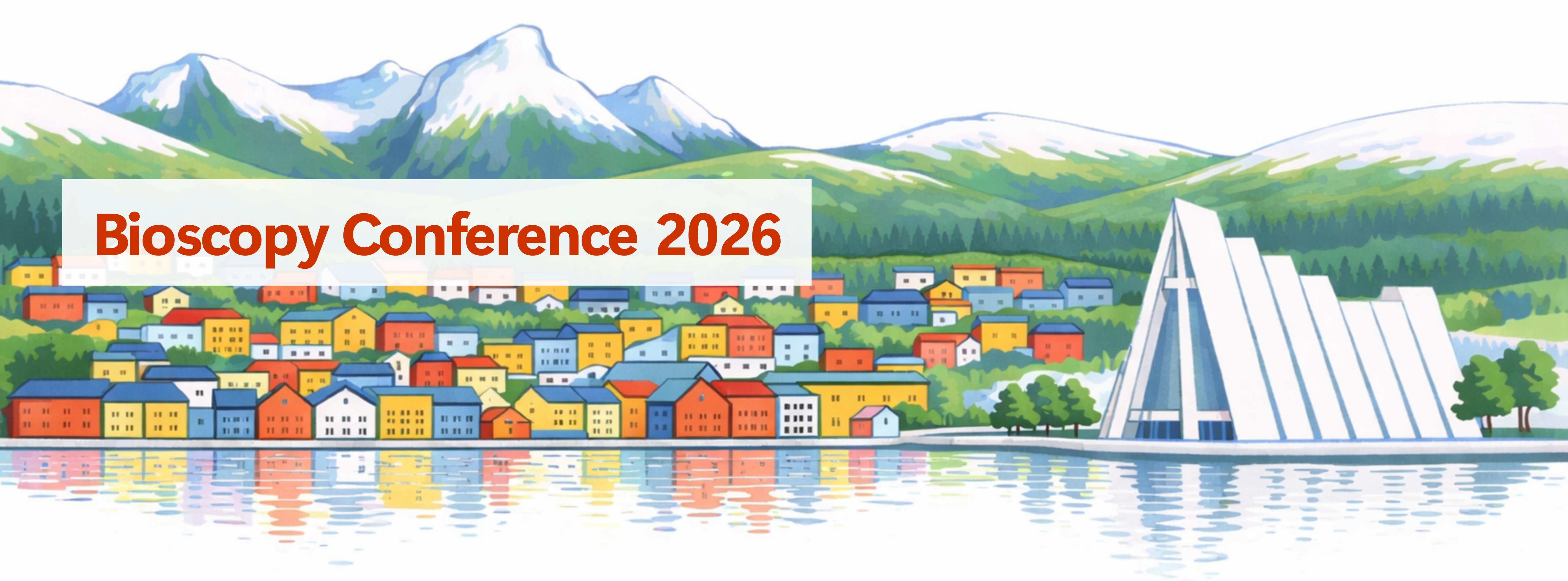
The Bioscopy Conference 2026 will be held at UiT The Arctic University of Norway in beautiful Tromsø from 15 to 17 June.
Organized by young researchers for young researchers
Important dates
- Submission Deadline:
1 March - Extended Deadline: 31 March
- Free Registration (for accepted abstracts): 31 March
- Author Notification: 7 April
- Early-Bird Registration: 10 April
- Registration Closes: 25 April
- Conference: 15-17 June
Scope
This conference fosters interdisciplinary dialogue between Life Sciences and Advanced Imaging. It brings together inter-, multi-, and trans-disciplinary research on biological measurements. Above all, we are fueled by curiosity. We invite you to share your authentic research journeys — the successes, setbacks, and the invaluable insights derived from them.
We favor submissions bridging biology and imaging/analytical expertise. Beyond successes, we welcome insights from unsuccessful paths or ‘negative’ results as they provide invaluable lessons within the authentic research journey. Example themes include, but are not limited to:
Biological
- Fundamental Life Sciences: Cell Biology, Microbiology & Immunology
- Biomedicine & Biotechnology: Drug discovery, innovation & Bio-assays
- Translational & Clinical Research: From bench to bedside
Imaging & Analytical
- Advanced Imaging & Microscopy: Hardware, probes & novel modalities
- AI & Computational Biology: Machine learning, image analysis & biosignals
- Multi-omics & Quantitative Biology: Transcriptomics, Proteomics & Spatial technologies
We encourage negative results with important insights.
Program Overview
This interdisciplinary conference features panels, keynotes, workshops, and exhibitions. An overview of the program is given below. This is a preliminary overview, subject to changes. A preliminary schedule will soon be released.
Conference Topics
🔬 Optical Instrumentation: Can we image calcium spikes without bleaching the sample?
🧪 Molecular Probes & Labeling: What probe chemistry enables single-molecule tracking in living tissue?
🧭 Advanced Imaging Modalities: How do we push resolution without sacrificing cell viability?
🤖 AI & Computational Methods: Can physics-informed networks recover signal from noisy live-cell data?
🗺️ Spatial Biology & Multi-omics: How do we align spatial transcriptomics with high-resolution microscopy?
🔄 Cellular & Molecular Dynamics: What physical forces govern viral entry and immune cell migration?
🫀 In Vivo & Tissue-Scale Imaging: How do we maintain signal fidelity while imaging deep into living tissue?
Panel Discussion
Bridging the Gap between Biologists and Physicists
This panel is led by young researchers, offering fresh perspectives on how to connect two scientific cultures. Senior researchers are warmly welcomed to join the conversation on the following themes:
The Knowledge Barrier: Physicists seek precision, biologists seek function. How do we speak the same scientific language?
Co-development: Why settle for off-the-shelf tools when breakthrough science often requires customized engineering?
Future Talents: The coding biologist or the bio-literate physicist — who represents the future of bioscopy?
Keynotes
The following keynote themes represent the core directions of the conference. Final talk titles and speakers will be announced as the program is finalized.
Advanced Imaging & Microscopy: Engineering new windows into living systems.
Quantitative Biology: When mathematics and physics meet biological complexity.
Translational & Clinical Research: From imaging bench to patient bedside.
The Future of Bioimaging: Where instrumentation meets biology — and where you come in.
Workshops
The following workshops focus on practical skills, creative thinking, and peer‑to‑peer learning.
Advanced Image Analysis: Hands-on methods for extracting meaningful insights from complex datasets.
3D/4D Bioimage Informatics: Visualization & Quantitative Analysis – Tools and workflows for exploring multidimensional imaging data.
The Art of Scientific Storytelling: Strategies for communicating research with clarity, impact, and authenticity.
Additional researcher-led workshops will be announced as planning progresses.
Innovation Workshops
The Innovation Workshops are built on a researcher-for-researcher spirit, where early-career scientists learn directly from peers and practitioners.
Confirmed Partner: AccuRIte – Calibration slides for label-free microscopy
Additional research and industry partners will be announced soon.
Invited speakers
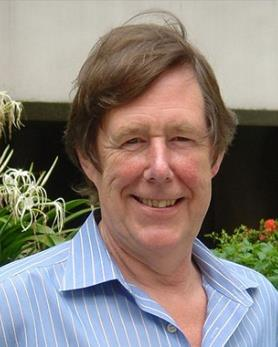
Colin J. R. Sheppard
University of New South Wales
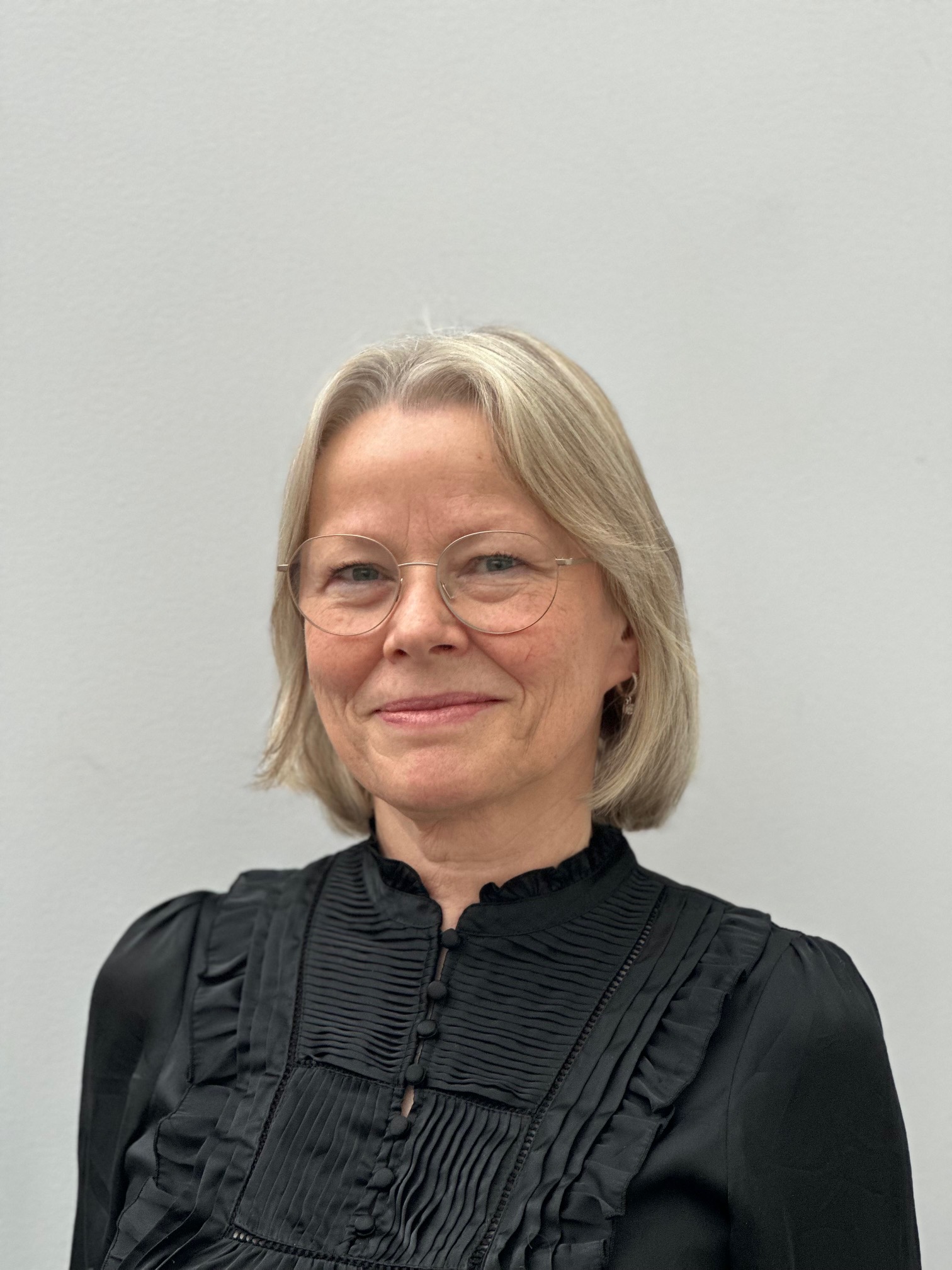
Karen Kristine Sørensen
UiT The Arctic University of Norway
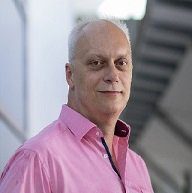
Peter Török
Nanyang Technological University, Singapore
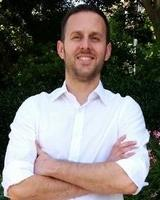
Matteo Bregonzio
81Watts – Multidisciplinary Science at Scale

Ai Ping Yow
Nanyang Technological University, Singapore
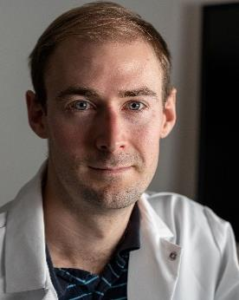
Florian Ströhl
UiT The Arctic University of Norway
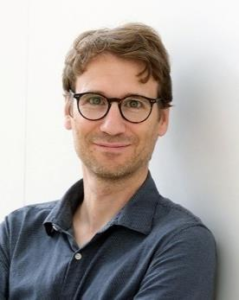
Marti Duocastella Sola
Universitat de Barcelona
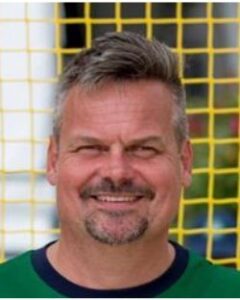
Peter McCourt
UiT The Arctic University of Norway
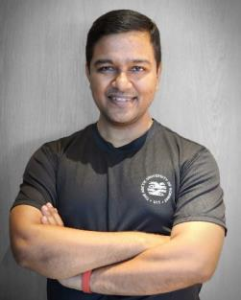
Dilip K. Prasad
UiT The Arctic University of Norway
Organizers
The Bioscopy Conference is organized by young researchers at UiT The Arctic University of Norway. The organization committee consists of:
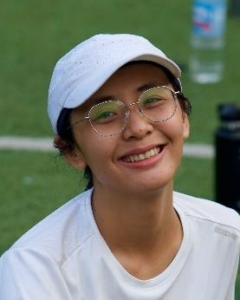
Yi Huang
Ph.D. Student
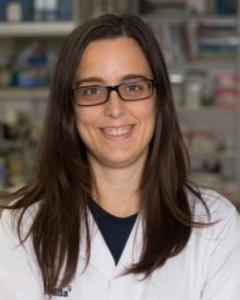
Mireia Nager
Researcher/Senior Engineer
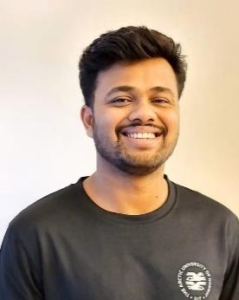
Rohit Agrwal
Researcher
Advisory Panel
The organization of this conference is advised by professors and senior researchers at UiT The Arctic University of Norway. The Advisor panel consists of:
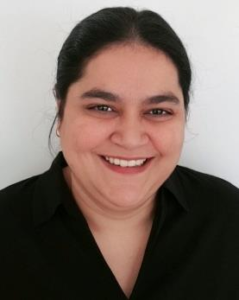
Krishna Agarwal
Professor
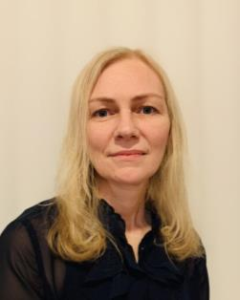
Åsa Birna Birgisdottir
Associate professor
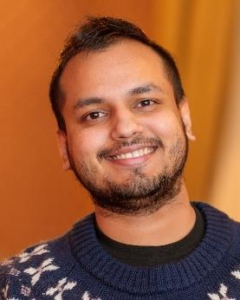
Biswajoy Ghosh
Researcher
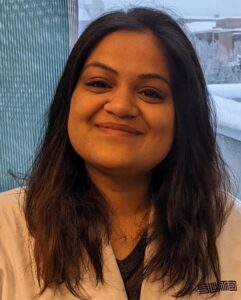
Komal Agarwal
Researcher
Discover Tromsø – Where Science Meets the Arctic
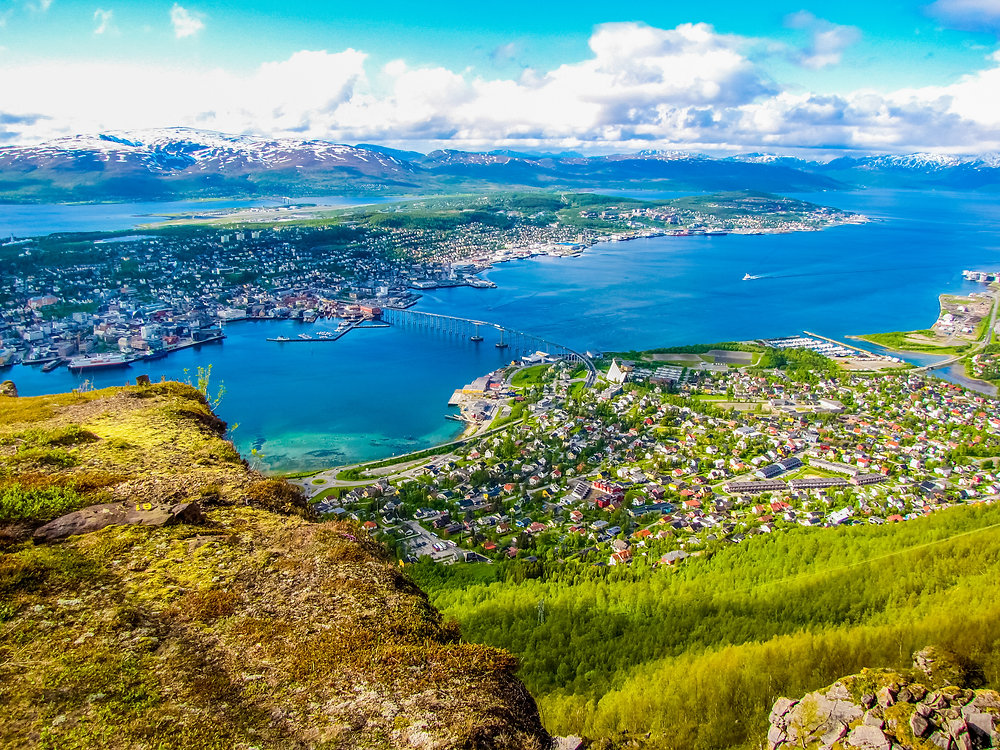
Located at 69° North, Tromsø is a vibrant Arctic city of approximately 80,000 residents — a place where dramatic landscapes, rich culture, and unforgettable natural phenomena come together. Often called the Gateway to the Arctic, Tromsø is world-famous for the aurora borealis, drawing visitors from across the globe each year to witness the northern lights dancing across the polar sky.
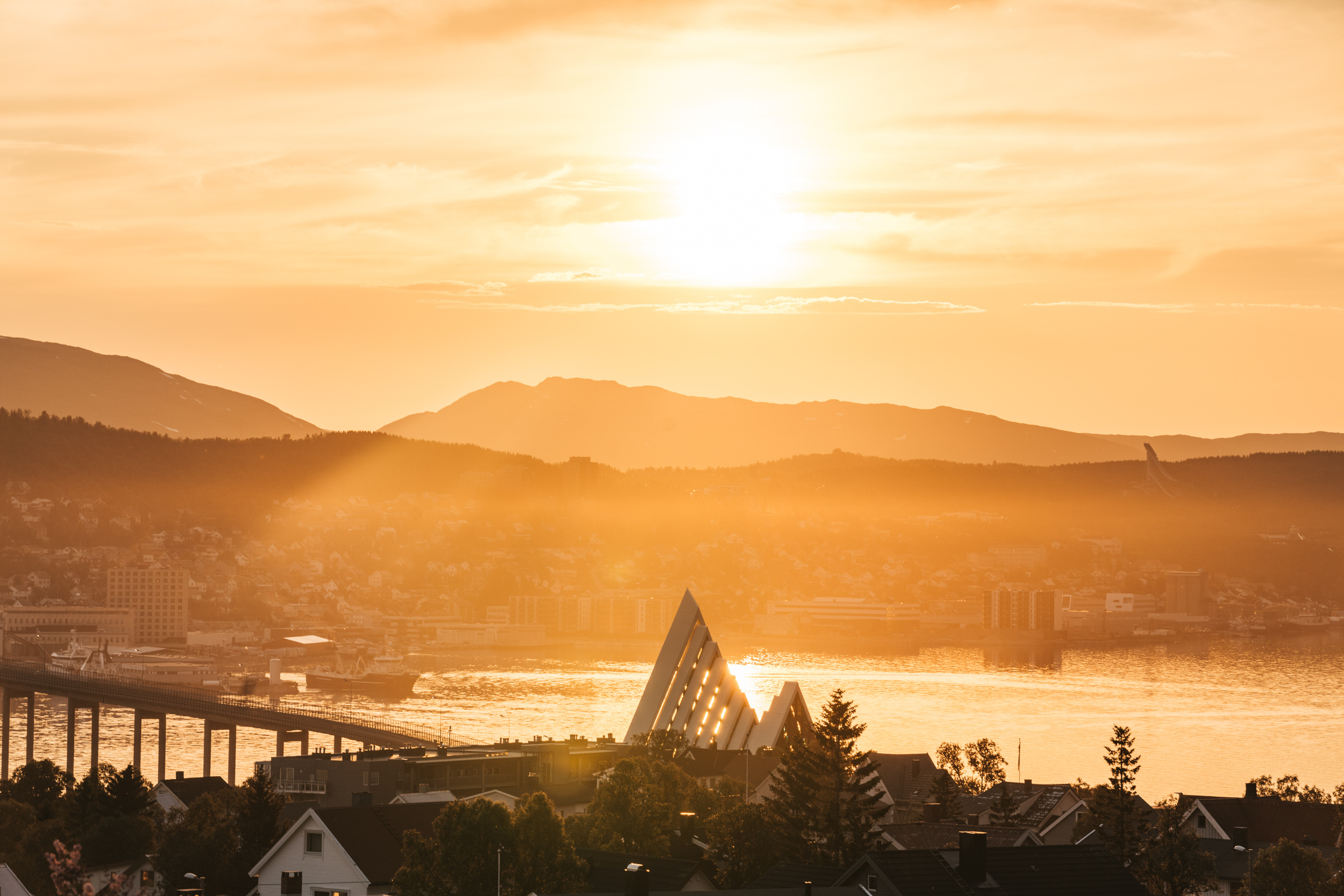
During the Bioscopy Conference in June, you will instead experience another extraordinary Arctic phenomenon: the Midnight Sun. From late May to July, the sun never sets — bathing the city in golden light around the clock. This rare experience is possible only north of the Arctic Circle (and south of the Antarctic Circle), making your conference visit scientifically inspiring and naturally spectacular.
Midnight Sun Marathon: A unique experience
On 20 June, just after the conference, Tromsø hosts the world-renowned Midnight Sun Marathon — a truly unforgettable race under the never-setting sun. Whether you run or cheer from the sidelines, it’s an experience worth planning for. You can find more information here.
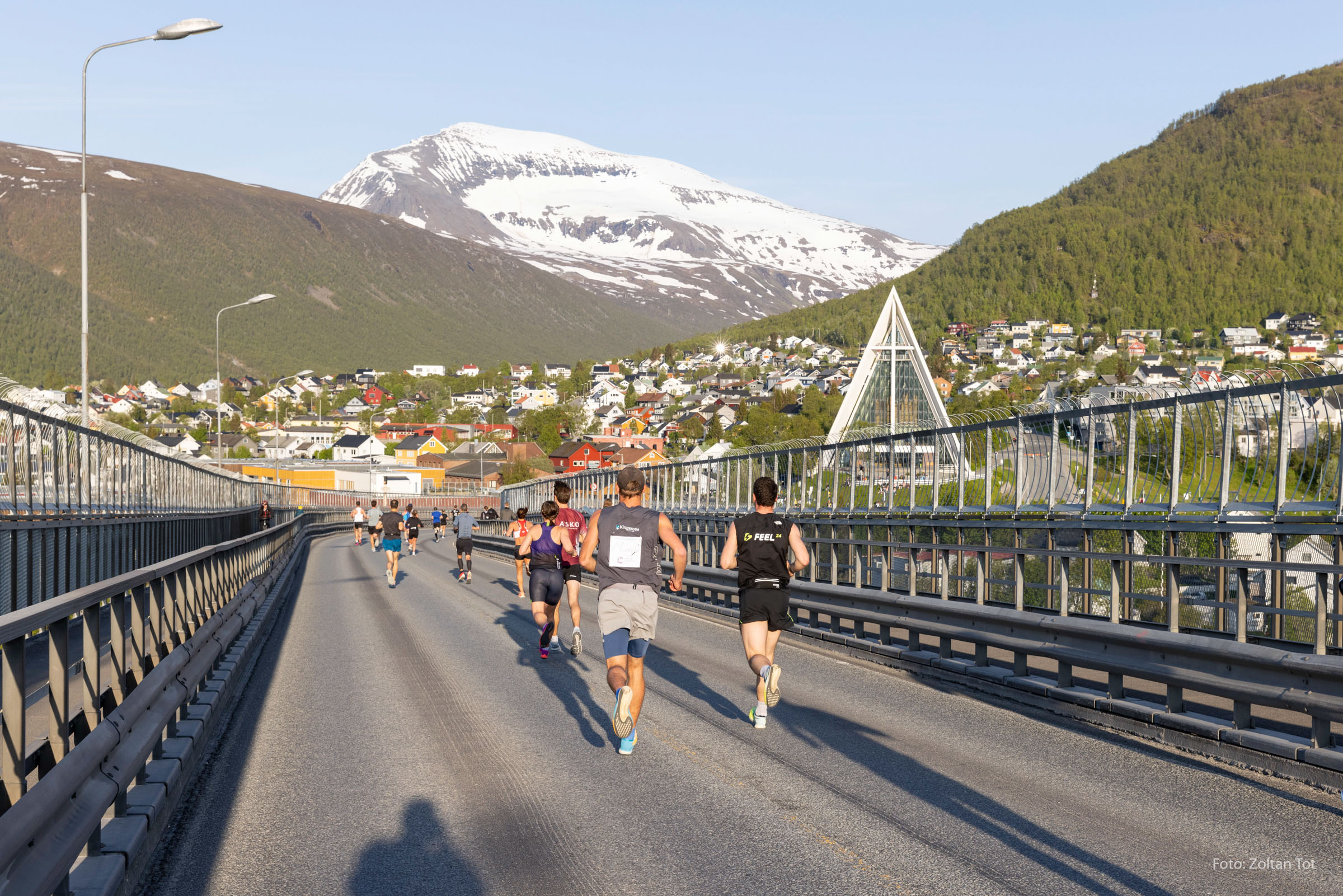
cc: Zoltan Tot
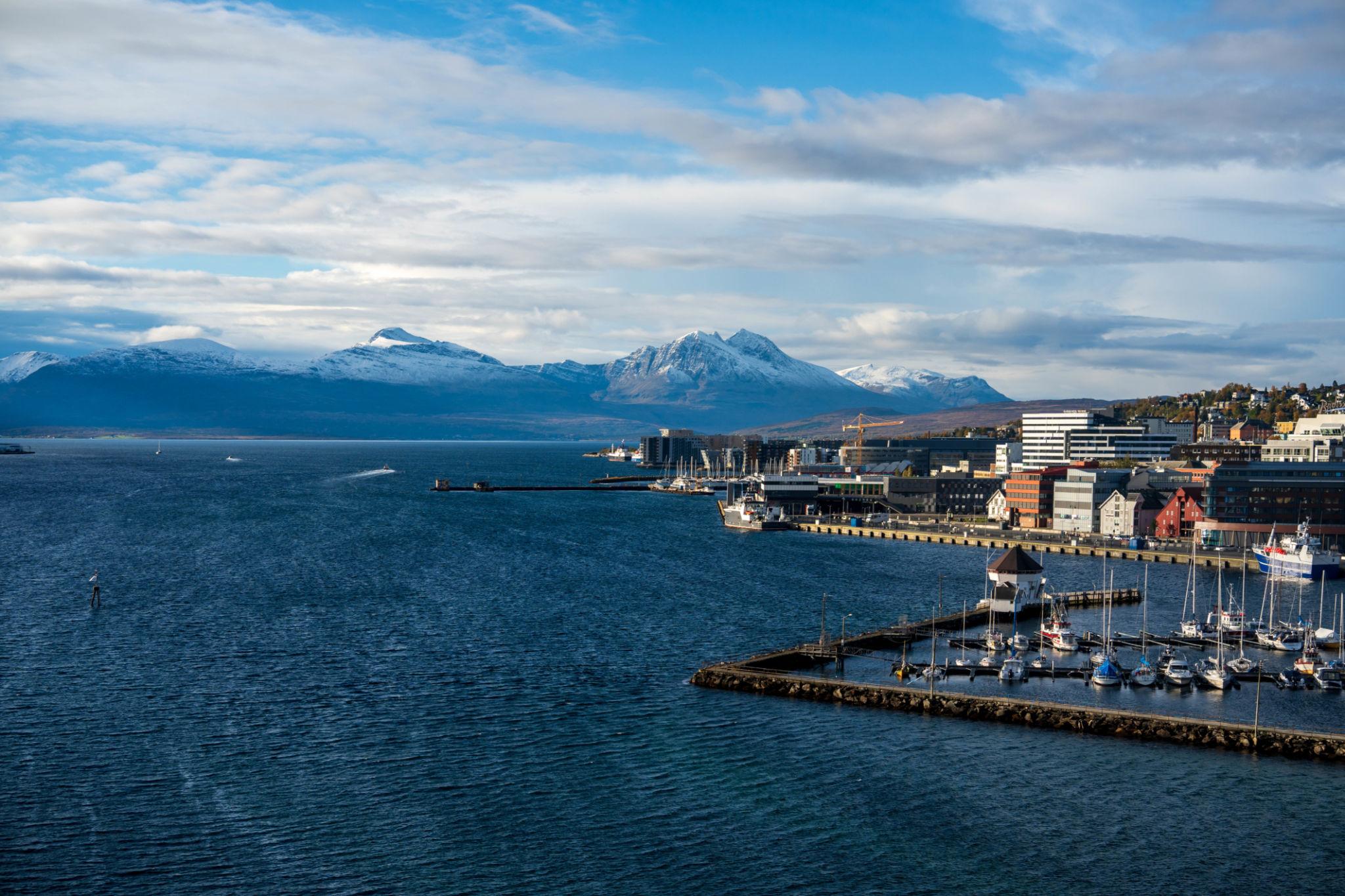
When visiting Tromsø, you’ll find plenty to explore — from scenic hikes in the surrounding mountains and breathtaking Arctic landscapes to engaging museums, local boutiques, and a vibrant cultural scene. Please have a look here to find your next adventure! Also check out the beautiful restaurants, cafés, and nightlife in Tromsø.
Code of Conduct
Bioscopy Conference is committed to providing a respectful, inclusive, and harassment-free environment that promotes open scientific exchange. All participants, including attendees, speakers, sponsors, and organisers, are expected to behave professionally and treat others with respect. Bullying, discrimination, harassment (including sexual harassment), intimidation, and retaliation of any kind will not be tolerated. Constructive scientific discussion is encouraged, but personal attacks or inappropriate behaviour are unacceptable. If you experience or witness inappropriate behaviour, please report it to the conference organisers. All reports will be handled seriously and confidentially. The Bioscopy organising committee reserves the right to take appropriate action in response to violations, including removal from the conference. By attending the Bioscopy Conference, participants agree to follow this Code of Conduct and help maintain a positive scientific environment.
Contact
For questions or inquiries, please contact us at bioscopy@uit.no.