
The Bioscopy Conference 2026 will be held at UiT The Arctic University of Norway in beautiful Tromsø from 15 to 17 June.
Organized by young researchers for young researchers.
Important Dates
- Submission Deadline—1 March 2026
- Free Registration (for accepted abstracts)—15 March 2026
- Extended Submission Deadline—31 March 2026
- Author Notification—10 April 2026
- Free Registration—22 May 2026
- Registration Closes—22 May 2026
- Conference—15–17 June 2026
Scope
This conference fosters interdisciplinary dialogue between Life Sciences and Advanced Imaging. It brings together inter-, multi-, and trans-disciplinary research on biological measurements. Above all, we are fueled by curiosity. We invite you to share your authentic research journeys — the successes, setbacks, and the invaluable insights derived from them.
We favor submissions bridging biology and imaging/analytical expertise. Beyond successes, we welcome insights from unsuccessful paths or ‘negative’ results as they provide invaluable lessons within the authentic research journey. Example themes include, but are not limited to:
Biological
- Fundamental Life Sciences: Cell Biology, Microbiology & Immunology
- Biomedicine & Biotechnology: Drug discovery, innovation & bio-assays
- Translational & Clinical Research: From bench to bedside
Imaging & Analytical
- Advanced Imaging & Microscopy: Hardware, probes & novel modalities
- AI & Computational Biology: Machine learning, image analysis & biosignals
- Multi-omics & Quantitative Biology: Transcriptomics, proteomics & spatial technologies
We encourage negative results with important insights.
Program
Program is preliminary and subject to change. TBA — title to be announced.
| 08:00 – 08:45 | Registration | |
| 08:45 – 09:15 | Opening RemarksGunbjørg Svineng (Dean, Helsefak) · Bjørn-Morten Batalden (Dean, NT-fak) · Organizers | |
| 09:15 – 10:00 | Karen Kristine SørensenUiT The Arctic University of Norway | Keynote 1Revealing the secrets of the super scavenger-and-sieve cells of the liver — a task for collaboration across disciplines |
| 10:00 – 10:45 | Coffee Break | |
| 10:45 – 11:45 | Oral Presentations 1–4 | |
| 10:45 – 11:00 | Jon-Richard SommernesUiT The Arctic University of Norway | Oral 1Multi-modal light-sheet imaging of bacteria in Atlantic salmon skin |
| 11:00 – 11:15 | Kajangi GnanachandranUiT The Arctic University of Norway | Oral 2Mechanical Remodelling of Bladder Cancer Spheroids Revealed by Hydraulic Force Spectroscopy |
| 11:15 – 11:30 | Samia MohintaUniversity of Cambridge, UK | Oral 3Beyond Agreement: Standardizing Crowdsourced Synapse Proofreading in Volumetric EM Connectomics |
| 11:30 – 11:45 | Yi HuangUiT The Arctic University of Norway | Oral 4The Design Space of RI Reconstruction for Label-Free Optical Microscopy |
| 11:45 – 13:00 | Lunch | |
| 13:00 – 13:30 | Krishna AgarwalUiT The Arctic University of Norway | Invited 1Computational microscopy |
| 13:30 – 18:00 | Biswajoy Ghosh & Komal AgarwalUiT The Arctic University of Norway / Cymoplive | Workshop 1Innovation |
| 15:00 – 15:30 | Coffee Break (during workshop) | |
| 08:45 – 09:00 | Registration | |
| 09:00 – 09:45 | Peter McCourtUiT The Arctic University of Norway | Invited 2The liver’s sinusoidal endothelial cells — doing more than just lining the pipes |
| 09:45 – 10:15 | Martí DuocastellaUniversity of Barcelona, Spain | Invited 3Deep imaging in scattering media using ultrasonic endoscopes |
| 10:15 – 10:45 | Coffee Break | |
| 10:45 – 11:30 | Oral Presentations 5–7 | |
| 10:45 – 11:00 | Karolina SzafranskaUiT The Arctic University of Norway | Oral 5Combination of light, atomic force and electron microscopy for studying dynamics of liver fenestrations in live LSEC |
| 11:00 – 11:15 | Tomasz TkaczykRice University, USA | Oral 6Biomedical imaging and sensing enabled by 3D printing of photonic components and systems |
| 11:15 – 11:30 | Farhad NiknamUiT The Arctic University of Norway | Oral 7High-Fidelity Volumetric Tissue Microscopy: Integrating Computational Adaptive Optics with Accelerated Deconvolution |
| 11:30 – 12:00 | Ai Ping YowNanyang Technological University, Singapore | Invited 4Can machines design microscope objective lenses of tomorrow without human intervention? |
| 12:00 – 13:00 | Lunch | |
| 13:00 – 14:00 | PosterPoster Session | |
| 14:00 – 14:30 | Matteo Bregonzio81Watts, Italy | Invited 5A Privacy-Preserving Approach to Data and Artificial Intelligence |
| 14:30 – 15:00 | Coffee Break | |
| 15:00 – 15:45 | Oral Presentations 8–10 | |
| 15:00 – 15:15 | Sophie KangANZAC Research Institute, Australia | Oral 8Perilipin 5 Phosphorylation Controls Mitochondria–Lipid Droplet Coupling and Hepatic Metabolic Flexibility |
| 15:15 – 15:30 | Arif Ahmed SekhUiT The Arctic University of Norway | Oral 9Challenges and Role of Federated Learning in Microscopy Data Analysis |
| 15:30 – 15:45 | Jakub PospišilUiT The Arctic University of Norway | Oral 10AI-Driven Segmentation of Liver Sinusoidal Endothelial Cells in Scanning Electron Microscopy Images |
| 15:45 – 16:15 | Florian StröhlUiT The Arctic University of Norway | Invited 6Oblique Line Scanning in Microscopy |
| 16:15 – 16:45 | Peter TörökNanyang Technological University, Singapore | Invited 7Brillouin spectroscopy — a cautionary tale |
| 08:45 – 09:00 | Registration | |
| 09:00 – 09:45 | Colin J. R. SheppardUniversity of New South Wales, Australia | Keynote 2Confocal Microscopy, Structured Illumination Microscopy, and Image Scanning Microscopy |
| 09:45 – 10:15 | Åsa B. BirgisdottirUiT The Arctic University of Norway | Invited 8Monitoring mitochondria turnover and transfer in cardiac cells |
| 10:15 – 10:45 | Coffee Break | |
| 10:45 – 12:15 | Claus RollDeputy Senior Director, Optica Europe | Workshop 2Scientific Article Writing Workshop with OPTICA |
| 12:15 – 13:30 | Lunch | |
| 13:30 – 14:00 | Dilip K. PrasadUiT The Arctic University of Norway | Invited 9AI for Biological problems: Challenges, Solutions, and Lessons from Microscopy and Life-Science Applications |
| 14:00 – 14:30 | Oral Presentations 11–12 | |
| 14:00 – 14:15 | Arindam GhoshGerman Cancer Research Center (DKFZ), Germany | Oral 11Decoding Immunotherapies at the Nanoscale |
| 14:15 – 14:30 | Yingying QinUiT The Arctic University of Norway | Oral 12Computational Modeling of Light Transport for Mesoscopic Optical Microscopy |
| 14:30 – 15:00 | Panel Discussion | PanelSeeing Together: Where Microscopists and Biologists Meet |
| 15:00 – 15:30 | Coffee Break | |
| 15:30 – 16:00 | Dipanjan BhattacharyaUniversity of Southampton, UK | Invited 10Development of a label-free computational resolution enhancement method towards biomedical applications |
| 16:00 – 16:30 | Awards Ceremony & Closing Remarks | |
Speakers
Keynote Speakers
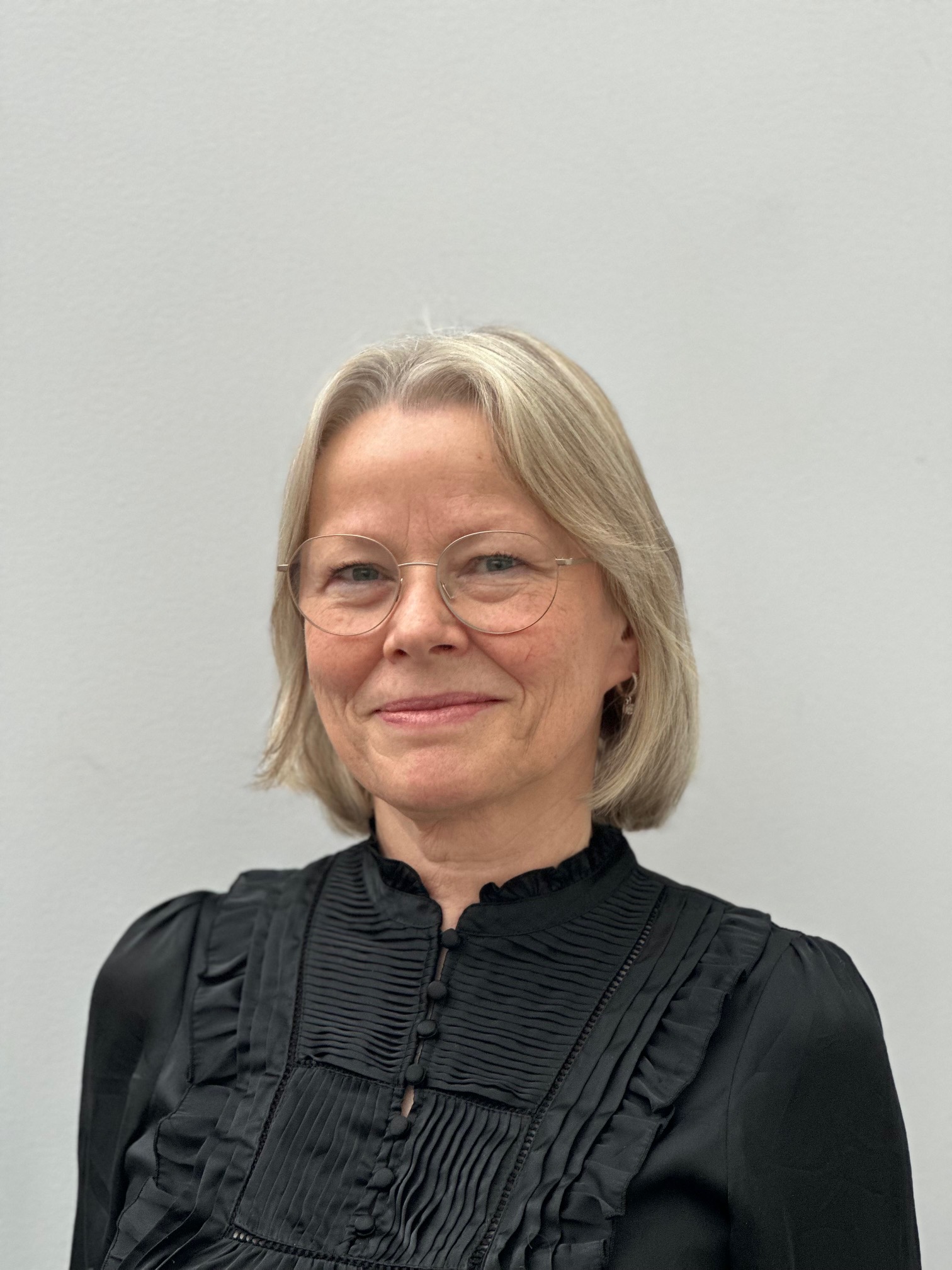
Professor Karen Kristine Sørensen, DVM, PhD, is the Head of the Vascular Biology Research Group (VBRG) at the Department of Medical Biology, UiT. Her research focuses on Liver Sinusoidal Endothelial Cell (LSEC) biology, with a particular emphasis on their scavenger function in health and disease. She investigates the role of liver sinusoidal cells in virus elimination, and her work also includes comparative aspects of scavenger endothelial cell biology. In addition to her research, Professor Sørensen is an active educator, teaching medicine, odontology, and biomedicine students. Her teaching expertise includes cell biology, physiology, histology, and electron microscopy.
Colin J. R. Sheppard is currently an Honorary Professor at the University of New South Wales (UNSW). His research focuses on optics, microscopy, and imaging. His career includes senior roles at the Italian Institute of Technology, and professorships at the National University of Singapore and the University of Sydney, alongside a long-standing fellowship at Oxford University. His professional service includes roles as president of the International Society for Optics Within Life Sciences (OWLS) and vice-president of the International Commission for Optics (ICO). Sheppard has received prestigious honors including the Alexander von Humboldt Research Award and the Institute of Physics Optics and Photonics Division Prize.
Invited Speakers
Peter McCourt is a researcher specializing in liver sinusoidal endothelial cells (LSEC) and their role in clearing connective tissue waste molecules from circulation. He also investigates bone tissue waste molecules from circulation. He also investigates bone marrow sinusoidal endothelial cells (BMSEC) in transplant-related studies with collaborators in Melbourne, and examines how ageing alters LSEC morphology in partnership with the ANZAC Research Institute in Sydney. Using electron microscopy and superresolution methods (SIM and dSTORM), he analyses LSEC fenestrations throughout the ageing process. He is actively engaged in teaching Biochemistry to Medical Laboratory Science and Dental Nursing students, and in supervising MSc and PhD candidates across vascular biology research.
Krishna Agarwal is a Professor in the Department of Physics and Technology at UiT The Arctic University of Norway and serves as an Associate Editor for IEEE TGRS. She leads several high-profile EU and RCN projects as a Principal Investigator or Co-Investigator, including the FET Open RIA project OrganVision, the EIC Transition project Spemotile, and the international collaboration Bioscopy (funded by INCP2 and HKDIR). Deeply committed to mentoring the next generation of scientists, she actively supports initiatives led by young researchers, such as the Cymoplive and MarGel projects supported by UiT and MABIT. Her current research interests focus on computational nanoscopy, super-resolution imaging, and inverse problems.
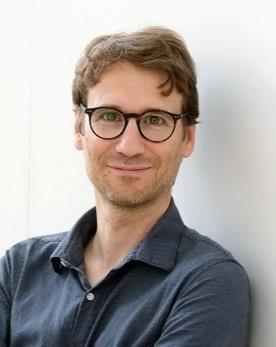
Martí Duocastella is a full professor in the Department of Applied Physics, Universitat de Barcelona (UB) and a deputy director of the Institute of Nanoscience and Nanotechnology (IN2UB). He obtained his PhD in physics from the UB, followed by postdoctoral research at the Princeton University, and later served as a senior researcher at the Istituto Italiano di Tecnologia. His research focuses on developing novel optical methods for three-dimensional light engineering, with applications in material science, sensing, and biology. He is the founder of SynPix SL and an ERC awardee.
Ai Ping Yow is a Senior Research Engineer at Nanyang Technological University, Singapore. Her research focuses on developing AI-driven diagnostic and disease management tools for ocular and dermatological conditions, with particular expertise in medical image analysis and quantitative imaging biomarkers. Her works have led to multiple patents in medical image analysis and vascular detection technologies. Currently in the final year of her Ph.D., Ai Ping is extending her AI expertise into optical engineering, applying machine learning techniques to the design of microscope objective lenses. Her interdisciplinary research portfolio, spanning biomedical imaging and optical engineering, reflects her trajectory as a promising scientist contributing to next-generation diagnostic and imaging technologies.
Matteo Bregonzio is the Founder and CTO of 81Watts with over 15 years of experience in AI-driven engineering and management. His career includes serving as CTO at Datrix, where he oversaw R&D strategies, cybersecurity, and the commercialization of AI research. Previously, he worked as a Financial OTC Analyst at BNP Paribas CIB and Barclays, focusing on fixed-income products and technical process optimization. He specializes in AI deployment, containerized CI/CD, and Agile team leadership, focusing on aligning software engineering and deep-tech roadmaps with business and regulatory requirements.
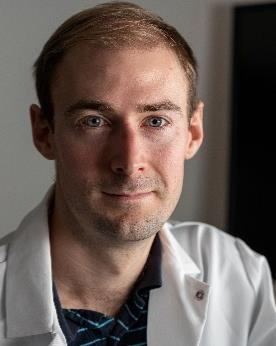
Dr Ströhl is a research professor in the photonics group at UiT. He obtained his PhD in Biotechnology from Cambridge University before becoming a Marie-Curie Fellow in Tromsø. Since then, he has worked on optical system development, production of optic elements, photolithography, optical theory, nanoscopy for use in pathology, mechanosensitive microscopy development, and volumetric imaging. Currently, his focus is split between an RCN-funded FRIPRO project on lightsheet microscopy development and an ERC Starting Grant in which he is exploring mechanosensitive microscopy in regenerative medicine. He is a strong advocate of open science and engages in educational outreach through video content.
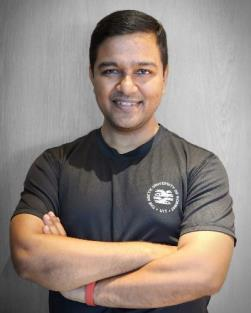
Dilip K. Prasad is a professor at Department of Computer Science. He was a senior research fellow at Nanyang Technological University, Singapore from 2015-2019 and research Fellow at National University of Singapore from 2012-2015. Prior to Ph.D, he worked for 5 years with IBM, Infosys, Mediatek and Philips. He was selected as fellow for Kauffman Global Scholarship in 2011, in which he was trained in entrepreneurship at Harvard University, MIT, Stanford University and Kauffman Foundation. He is a co-author of book titled "Interpretability in Deep Learning", Springer, 2023. He has secured research and innovation grant from EU, RCN as a PI/co-PI of about ~28 million Euros. He has published 160+ internationally peer-reviewed research articles and patents. His research interests include image processing, pattern recognition and artificial intelligence. He is founder of Spermotile and Finiac.
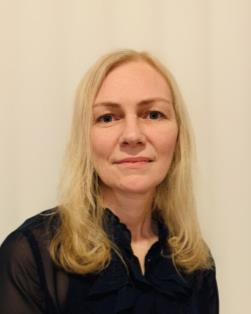
Åsa B. Birgisdottir is an Associate Professor and Head of the Cardiovascular Research Group at the Department of Clinical Medicine. She leads the group’s experimental molecular biology activities. Her research aims to uncover the molecular mechanisms underlying cardiovascular diseases, with a current focus on advanced imaging of mitochondria quality control in cardiac cells. A key highlight of her work is the establishment of human Engineered Heart Tissue (EHT) using iPSC-derived cardiomyocytes as a robust 3D model for investigating disease relevant mechanisms in the human heart.
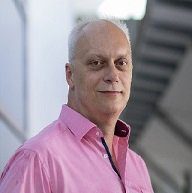
Peter Török is Professor of Optical Physics at NTU with joint appointments in Physics and Applied Physics, the Lee Kong Chian School of Medicine, and the Singapore Centre for Environmental Life Sciences Engineering (SCLESE), where he also serves as Director of Imaging. He founded and directs the NTU Optical Bioimaging Centre (NOBIC) and served as CoDirector of the Research Centre of Excellence, IDMxS. He is also an awardwinning educator and Fellow of the European Optical Society. His research spans optical design, electromagnetic imaging theory, confocal and compressive imaging, and spectroscopic modalities, with strong interdisciplinary applications in life and biomedical sciences.
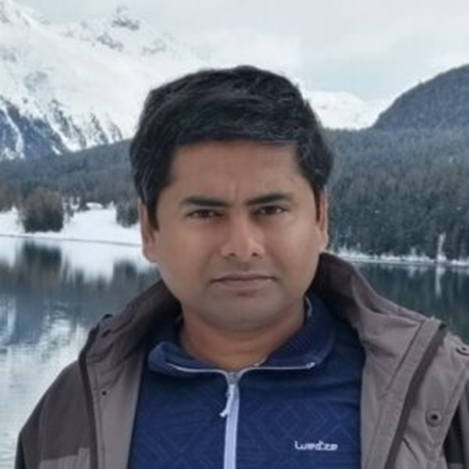
Dr. Dipanjan Bhattacharya is a Senior Research Fellow at the University of Southampton. An expert in biophysics, quantitative image analysis and development of innovative microscopy techniques for biological applications. He spearheads several major multidisciplinary and international consortia. He leads a work package in the TIQBio partnership project, focused on developing label-free techniques for drug discovery through 3D imaging and high-end automated computational image analysis. Dr. Bhattacharya coordinates research across multiple European nations focused on real-time engineered heart tissue (EHT) imaging to advance understanding of cardiovascular disease and recovery. He is a principal investigator and a work-package leader from the University of Southampton in the EU-funded OrganVision consortium project and the recently awarded EU-funded HeartVision consortium project. He is also developing advanced computational imaging methodologies for resolution enhancement and deeper tissue penetration in multiphoton autofluorescence imaging, coherent anti-Stokes Raman scattering (CARS), and second harmonic generation (SHG) microscopy, with applications toward understanding neurodegenerative diseases. His distinguished career includes research and leadership roles at SMART Singapore, IFOM Milan, and MIT, where he pioneered innovative imaging architectures for cancer biology and mechanobiology.
Workshop Speakers
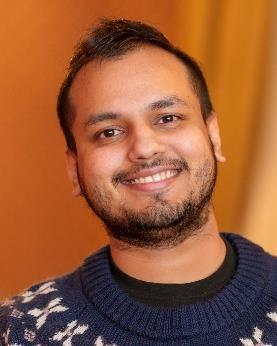
Biswajoy Ghosh is a researcher working at the intersection of biomedical science, microscopy, image analysis and material science, with a focus on bioengineering solutions in regenerative medicine and cancer. His interdisciplinary training allows him to integrate diverse fields, bringing unique insights into complex challenges like cell-matrix interactions. He makes unique material and design them to mimic human organs in health and diseases. This allows his team to study complex human diseases in small glass dishes and without sacrificing animals and involving human participants. This has driven innovations such as Cymoplive, a preclinical platform for cancer drug screening. By bridging scientific disciplines, he aims to transform research discoveries into impactful healthcare solutions. He is additionally recruiting local ecosystem, businesses, and infrastructure to integrate sustainable practices to achieve these solutions. When he is not in the lab, he prepares global cuisines in kitchen to relax and energize.
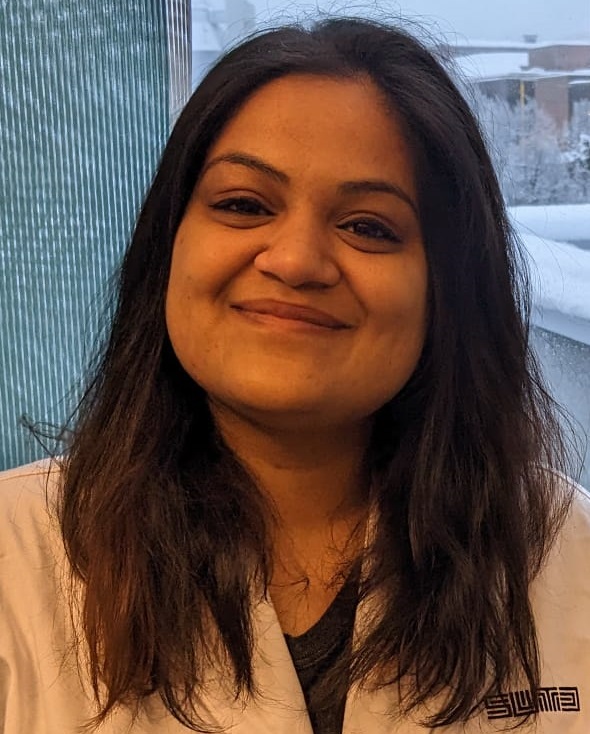
Komal Agarwal is a young researcher at UiT The Arctic University of Norway and a Principal Investigator for multiple commercialization projects, specializing in bridging the gap between academia and industrial innovation. With over 20 publications and two patent applications, she has a proven track record of securing competitive funding for research and societal impact. Her interdisciplinary expertise spans bio-inspired materials, nanofiber fabrication, and acoustic microscopy. Her current research focuses on functional polymers for microscopy calibration and biomimetic scaffolds for cancer drug discovery and wound healing. An experienced educator, Komal has taught Biomedical Instrumentation and Engineering Physics across institutions in Norway, Singapore, and India, connecting fundamental engineering with advanced healthcare solutions.
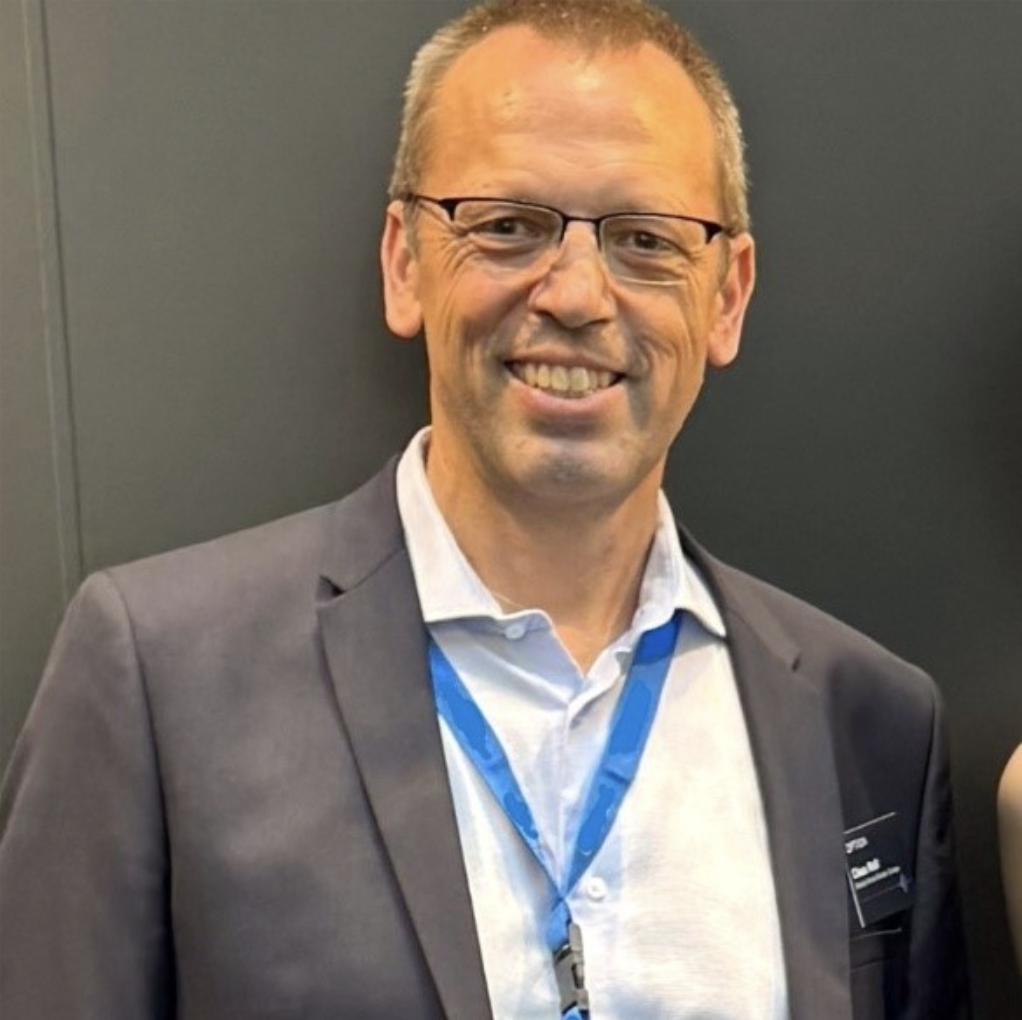
Dr. Claus Roll, is Deputy Senior Director, Europe for Optica, which he joined at the beginning of 2020. His tasks comprise developing, building and sustaining relationships and connections with Optica members and customers across Europe. Prior to working for Optica, was working during the 20 years for several STM publishers, managing mainly journals in various domains. This activity brought him deep insights into all aspects of the scientific publishing, including research assessment and evaluation in various countries and scientific domains. Before joining the positions in scientific publishing, Claus obtained a PhD degree in molecular biophysics, working on structure determination of DNA helixes by NMR and molecular dynamics.
Committee
Organizing Committee
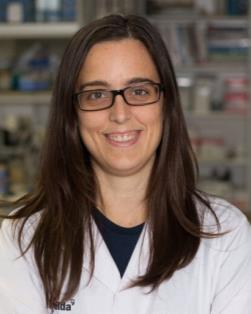
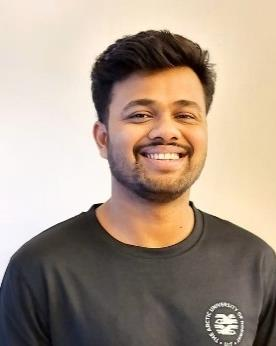
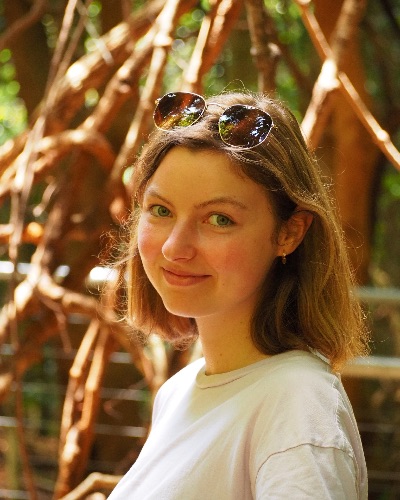
Young researchers at UiT The Arctic University of Norway are organizing the conference.
Advisory Panel
Senior researchers at UiT advising on programme and scientific direction. All advisors are also confirmed speakers — see the Speakers section for talks and full bios.
For all conference inquiries, please contact us at bioscopy@uit.no.
Discover Tromsø
Where Science Meets the Arctic
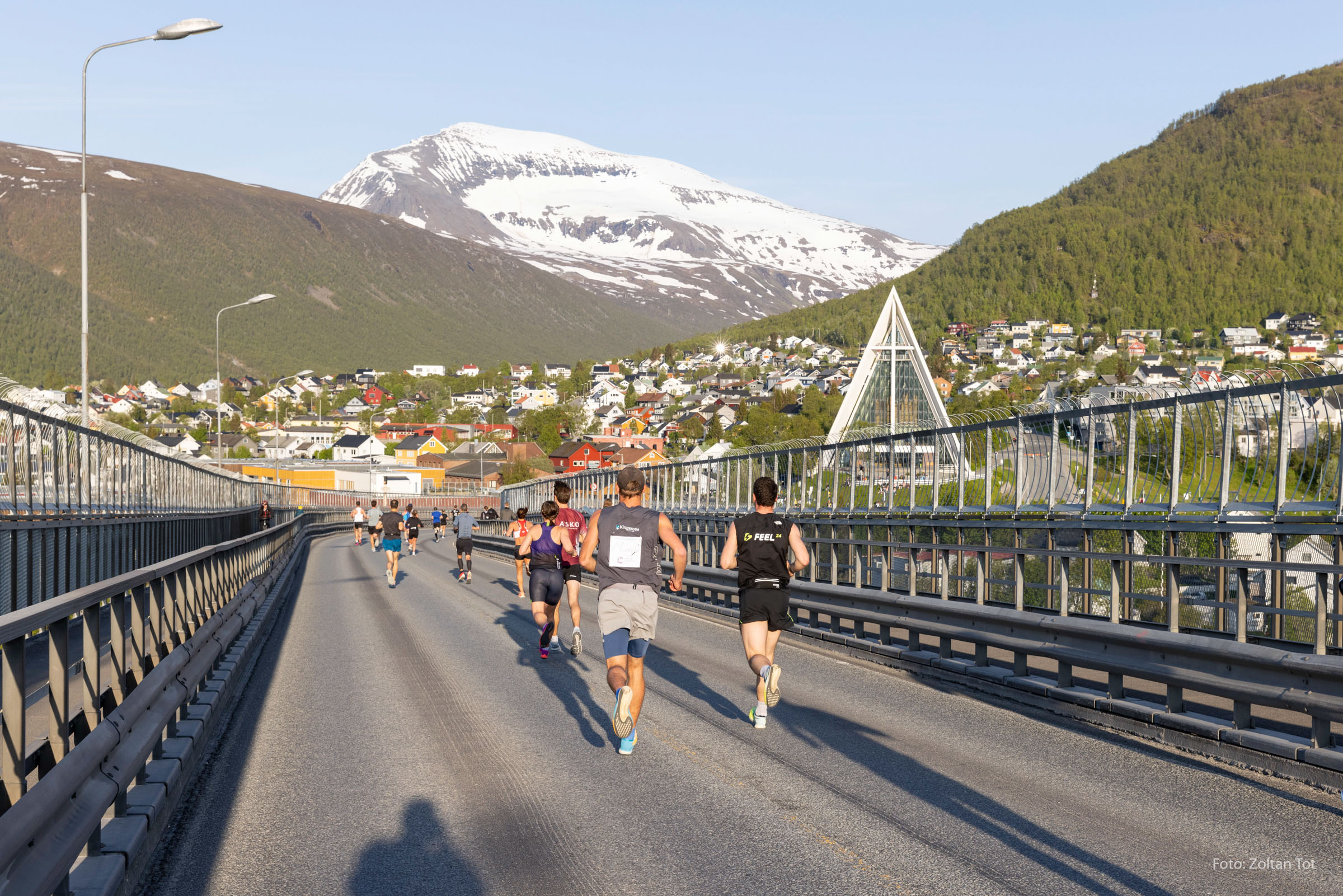
Located at 69° North, Tromsø is a vibrant Arctic city of approximately 80,000 residents — a place where dramatic landscapes, rich culture, and unforgettable natural phenomena come together. Often called the Gateway to the Arctic, Tromsø is world-famous for the aurora borealis, drawing visitors from across the globe each year to witness the northern lights dancing across the polar sky.
During the Bioscopy Conference in June, you will instead experience another extraordinary Arctic phenomenon: the Midnight Sun. From late May to July, the sun never sets — bathing the city in golden light around the clock. This rare experience is possible only north of the Arctic Circle (and south of the Antarctic Circle), making your conference visit scientifically inspiring and naturally spectacular.
 cc: Zoltan Tot
Midnight Sun Marathon
Just after the conference, Tromsø hosts the world-renowned Midnight Sun Marathon — a truly unforgettable race under the never-setting sun. Whether you run or cheer from the sidelines, it’s an experience worth planning for.
Learn moreExplore Tromsø
From scenic hikes in the surrounding mountains and breathtaking Arctic landscapes to engaging museums, local boutiques, and a vibrant cultural scene — Tromsø has plenty to offer between sessions.



Plan your visit
Find more about what to see, eat and do in Tromsø on Visit Tromsø.
Sponsors
The Bioscopy Conference 2026 is supported by the following organizations.


Code of Conduct
The Bioscopy Conference is committed to providing a respectful, inclusive, and harassment-free environment that promotes open scientific exchange. All participants — attendees, speakers, sponsors, and organisers — are expected to behave professionally and treat one another with respect.
What we encourage
Constructive scientific discussion, respectful disagreement, curiosity, and engagement across disciplines.
What will not be tolerated
Bullying, discrimination, harassment (including sexual harassment), intimidation, retaliation, personal attacks, or inappropriate behaviour of any kind.
Reporting
If you experience or witness inappropriate behaviour, please report it to the conference organisers. All reports are handled seriously and confidentially.
Consequences
The organising committee reserves the right to take appropriate action in response to violations, up to and including removal from the conference.